10 Essentials for Starting Your First Organic Garden
Thinking about starting your first garden? Whether you're growing vegetables in raised beds, planting flowers around your home, or starting with a few containers on the patio, gardening is a rewarding way to get outside and grow something of your own.
The good news? You don't need a big backyard or years of experience to get started.
With a little planning, the right supplies, and healthy soil, you can create a thriving garden that grows with you.
Here are 10 essentials to help you get started.
1. Find the Right Growing Space
Before buying plants or digging into the soil, take a look at the space you have available.
Different plants need different growing conditions, so choosing the right location can make a big difference.
Most vegetables, including tomatoes, peppers, and cucumbers, grow best with at least 6–8 hours of direct sunlight each day. Other plants, including certain leafy greens and flowers, can tolerate some shade.
A few things to consider:
- How much sunlight does your space receive?
- Is there a convenient water source nearby?
- Will you be growing in the ground, raised beds, or containers?
- Is there enough room for your plants to reach their mature size?
Don't have a large yard? No problem. Container gardening is a great way to grow herbs, flowers, and even vegetables on a smaller scale.
2. Start With Healthy Soil
A successful garden starts from the ground up.
Healthy soil does more than hold plants in place. It supports root development, helps manage moisture, supplies nutrients, and creates an environment where beneficial soil organisms can thrive.
The best growing mix depends on where and what you're planting.
Not sure which soil to choose? Here's a quick guide:
- Raised Bed Mix: Designed for filling raised beds and supporting vegetable and flower gardens.
- Potting Mix: A convenient option for flowers, houseplants, and container gardening.
- Veggie Mix: Formulated for growing vegetables and herbs in containers.
- Activated Compost: Adds organic matter to garden soil and helps support healthy soil biology.
At Purple Cow Organics, we believe healthy plants start with healthy soil. Our growing mixes are built around high-quality, plant-based compost to help gardeners grow with confidence.
Gardening tip: If you're planting directly in the ground, consider testing your soil before adding amendments. Understanding your soil's needs can help you make better decisions throughout the season.
3. Choose Your Seeds and Plants
Now for the fun part: deciding what to grow!
If you're new to gardening, start with a few plants you enjoy eating or flowers you'd love to see blooming.
Some beginner-friendly options include:
- Vegetables: Radishes, lettuce, green beans, zucchini, and cherry tomatoes
- Herbs: Basil, chives, parsley, and mint
- Flowers: Zinnias, marigolds, sunflowers, and cosmos
Before planting, check your local growing season and average last frost date. Some plants can be started directly outdoors, while others benefit from getting a head start indoors.
For seeds started indoors, a growing medium like Purple Cow Organics Seed Starter Mix can help support early root development and seedling growth.
Start small, learn what works, and add new varieties as you become more comfortable.
4. Create a Simple Garden Plan
A little planning now can prevent a lot of frustration later.
Sketch out your growing space and decide where each plant will go. You don't need anything fancy — a piece of paper works just fine!
When planning your layout, consider:
- Plant spacing: Give roots and foliage enough room to grow.
- Mature plant size: That tiny tomato seedling can become a large plant by midsummer.
- Sunlight: Position taller plants where they won't shade smaller, sun-loving varieties.
- Support: Plan ahead for plants that may need stakes, cages, or trellises.
- Access: Leave enough room to water, weed, and harvest comfortably.
If you're growing in raised beds, keeping a garden map can also help you plan what to grow in different areas from season to season.
5. Understand Your Plants' Nutrient Needs
Just like people, plants need nutrients to grow.
Nitrogen, phosphorus, and potassium are three essential nutrients, but plants also rely on other nutrients and the biological activity happening in the soil.
Some plants need more nutritional support than others, especially when they're actively growing and producing fruit.
Adding compost can help improve soil structure, contribute organic matter, and support the organisms that play important roles in nutrient cycling.
Keep in mind: More fertilizer isn't always better. Nutrient needs vary by plant, growing conditions, and existing soil fertility. Follow product directions and use soil testing to guide your decisions when possible.
Building healthy soil is an important first step toward maintaining a productive garden.
6. Establish a Watering Routine
Consistent watering helps plants establish strong roots and continue growing throughout the season.
However, there's no perfect watering schedule for every garden.
Weather, soil type, plant size, and growing location all affect how quickly soil dries out.
A few helpful practices:
- Check soil moisture regularly rather than watering strictly by the calendar.
- Water near the base of plants to reach the root zone.
- Water early in the day when possible.
- Remember that containers may dry out faster than in-ground gardens.
- Adjust your watering as temperatures and rainfall change.
Gardening tip: Stick your finger about an inch into the soil. If it feels dry, it may be time to water. Always consider the needs of the plant and how well the soil drains.
7. Plan for Garden Pests
Even the healthiest gardens can attract unwanted visitors.
Aphids, caterpillars, beetles, and other pests are common gardening challenges, but that doesn't mean you need to panic every time you find a bug.
Start by inspecting your plants regularly and identifying what's causing the damage.
You can also encourage a healthier garden environment by:
- Growing a variety of plants
- Including flowers that attract beneficial insects
- Removing heavily damaged or diseased plant material when appropriate
- Using row covers or other physical barriers
- Choosing pest-control methods suited to the specific problem
Not every insect is harmful! Pollinators and beneficial predators can play valuable roles in your garden.
8. Add Mulch to Your Garden Beds
Mulch may not be the most exciting gardening supply, but it can make maintaining your garden a whole lot easier.
A layer of organic mulch, such as clean straw or untreated shredded leaves, can help:
- Reduce moisture loss from the soil
- Suppress weed growth
- Moderate soil temperatures
- Contribute organic matter as it breaks down
Spread mulch around established plants, leaving a little breathing room near the stems.
It's a simple step that can help protect your soil and cut down on garden maintenance throughout the growing season.
9. Gather a Few Essential Tools
You don't need a shed full of expensive equipment to start gardening.
A handful of basic tools can take care of most beginner gardening tasks.
Start with these essentials:
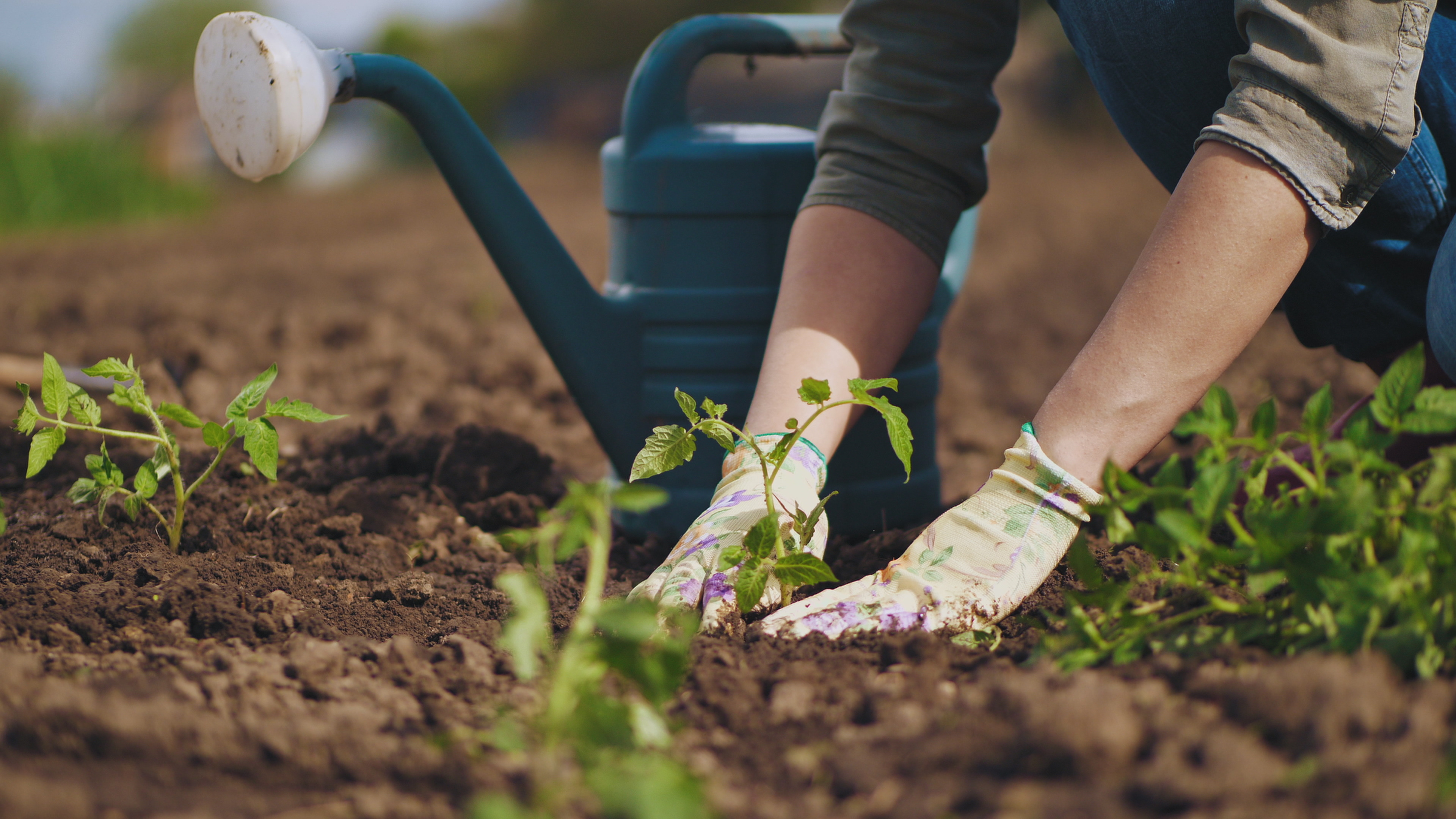
- Gardening gloves
- Hand trowel
- Watering can or hose
- Pruning shears
- Bucket or garden container
- Hand weeder
If you're working with larger beds, a garden fork or shovel may also come in handy.
Start with what you need and build your collection as your garden grows.
10. Keep Learning and Have Fun
Every gardener starts somewhere, and even experienced growers learn something new each season.
Some plants will thrive. Others might not go as planned. That's part of the experience!
Talk with fellow gardeners, visit your local independent garden center, or connect with gardening groups in your community. You'll find plenty of people willing to share their favorite tips, tricks, and growing experiences.
Most importantly, enjoy the process.
From planting your first seed to harvesting something you grew yourself, gardening is full of little moments worth celebrating.
Ready to Get Growing?
Whether you're starting a vegetable garden, planting your first raised bed, or filling a few containers with flowers, the right foundation can make all the difference.
Explore Purple Cow Organics growing mixes and soil amendments to find the right fit for your garden.
Find Purple Cow Organics at a garden center near you.