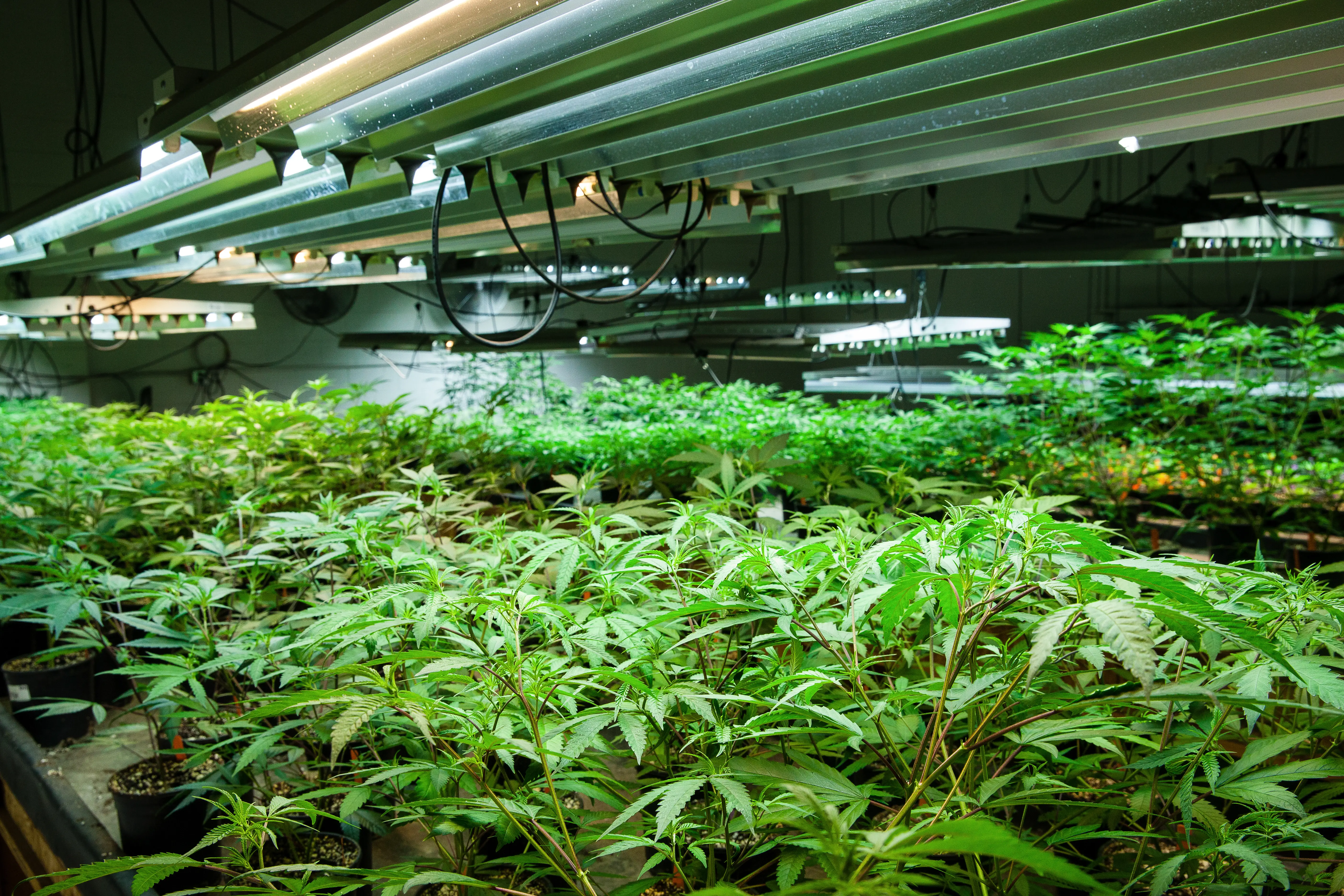
Cannabis may be green, but growing it isn't always environmentally friendly. Indoor grow rooms rely on artificial lighting, temperature control, ventilation, and irrigation to maintain the right growing conditions. All that equipment can add up to higher utility bills and a larger environmental footprint.
The good news? Sustainable cannabis growing doesn't have to mean completely changing your setup. From tracking electricity use to improving water efficiency and choosing quality growing media, small adjustments can help reduce waste and make your growing space more efficient.
Here are five ways to make your indoor cannabis growing practices more sustainable.
Before making changes, it's helpful to understand how much electricity your grow room actually uses.
Grow lights, fans, air conditioners, heaters, and dehumidifiers can all contribute to your energy bill. Tracking their consumption helps identify where you may be able to reduce unnecessary electricity use.
Start by identifying the wattage of each electrical device in your grow space. Most equipment includes a wattage rating on its label or product specifications.
To estimate energy consumption, use this formula:
(Device wattage ÷ 1,000) × Hours used = Kilowatt-hours (kWh)
For example, a 300-watt grow light running for 18 hours consumes approximately 5.4 kWh of electricity.
To calculate your estimated electricity cost, multiply your total kWh by the rate your utility company charges per kWh.
Keep in mind that equipment may not always operate at its maximum rated wattage. A plug-in energy meter or dedicated monitoring system can help provide more accurate measurements.
Lighting is only one part of your grow room's electricity consumption.
Cooling, heating, ventilation, and dehumidification can also account for significant energy use, particularly in larger or tightly controlled indoor environments.
When reviewing your setup, consider how your equipment works together. For example, lighting generates heat, which can increase the demand placed on cooling equipment.
Understanding these relationships can help you identify opportunities to improve overall efficiency rather than focusing on individual devices alone.
Artificial lighting is one of the biggest considerations in indoor cannabis production.
Modern LED grow lights can offer improved energy efficiency compared with older lighting technologies, potentially reducing electricity use and the amount of heat that needs to be managed.
However, lower wattage doesn't automatically mean better performance.
When comparing lighting equipment, consider:
If you're considering upgrading your lights, compare the expected energy savings against equipment costs and the performance requirements of your growing environment.
For growers interested in reducing their reliance on conventional electricity sources, renewable energy may be worth exploring.
Solar power, for example, can offset some purchased electricity where building conditions, local regulations, and economics make installation practical.
Renewable energy doesn't have to supply your entire operation to contribute to a more sustainable approach.
Water conservation is another important part of sustainable cannabis growing.
Water usage varies depending on plant size, environmental conditions, growing media, and irrigation practices. Rather than following a fixed watering amount, focus on understanding how moisture moves through your growing system.
A few ways to improve water efficiency include:
Water collection and reuse may help reduce overall consumption, but water quality matters.
Collected rainwater, condensate, and irrigation runoff can contain contaminants or plant pathogens. Reuse systems should include appropriate collection, testing, treatment, and maintenance procedures.
Check applicable local requirements before introducing alternative water sources into your growing operation.
Sustainable growing isn't only about reducing electricity and water consumption. What you grow in matters, too.
Growing media influences moisture retention, drainage, root development, and nutrient availability.
Organic matter plays an important role in soil health by contributing to soil structure, water-holding capacity, and biological activity.
For growers using soil-based systems, choosing a quality compost-based growing mix can help support the conditions plants need to develop healthy roots.
Purple Cow Organics IndiCanja is a compost-based growing mix designed for cannabis cultivation.
Built around Purple Cow's plant-based compost, IndiCanja provides organic matter and a growing environment designed to support healthy plant development.
For growers working with existing soil, Purple Cow Organics Activated Compost can also be incorporated as a soil amendment to contribute organic matter and support soil biological activity.
While growing media alone doesn't determine the environmental impact of a growing operation, selecting products suited to your growing system can help support more efficient soil and water management.
Every indoor growing space has ongoing operating costs, regardless of the number of plants being cultivated.
Making efficient use of available space can help reduce wasted lighting, heating, and cooling capacity.
Start by evaluating your existing layout.
Are there areas receiving unnecessary light? Is equipment positioned efficiently? Can maintenance and irrigation be completed without disrupting other plants?
The goal isn't necessarily to fit as many plants as possible into your growing area. Overcrowding can reduce airflow, increase humidity problems, and create additional plant health challenges.
Instead, focus on a practical layout that balances available space, environmental control, plant health, and ease of maintenance.
Creating a more sustainable cannabis growing environment doesn't require replacing every piece of equipment or overhauling your entire operation.
Start by tracking your electricity use, reviewing your watering practices, and looking for opportunities to reduce unnecessary waste.
Even small improvements can help you better understand your growing environment and make more informed decisions about energy, water, and soil management.
Looking for a quality growing mix for your next project?
Explore Purple Cow Organics IndiCanja, our compost-based growing mix developed for cannabis cultivation.
Purple Cow Organics products are available through independent garden centers. Visit our Where to Buy page to find a retailer near you.