Summer Garden Fertilizing Tips: How to Keep Your Plants Thriving
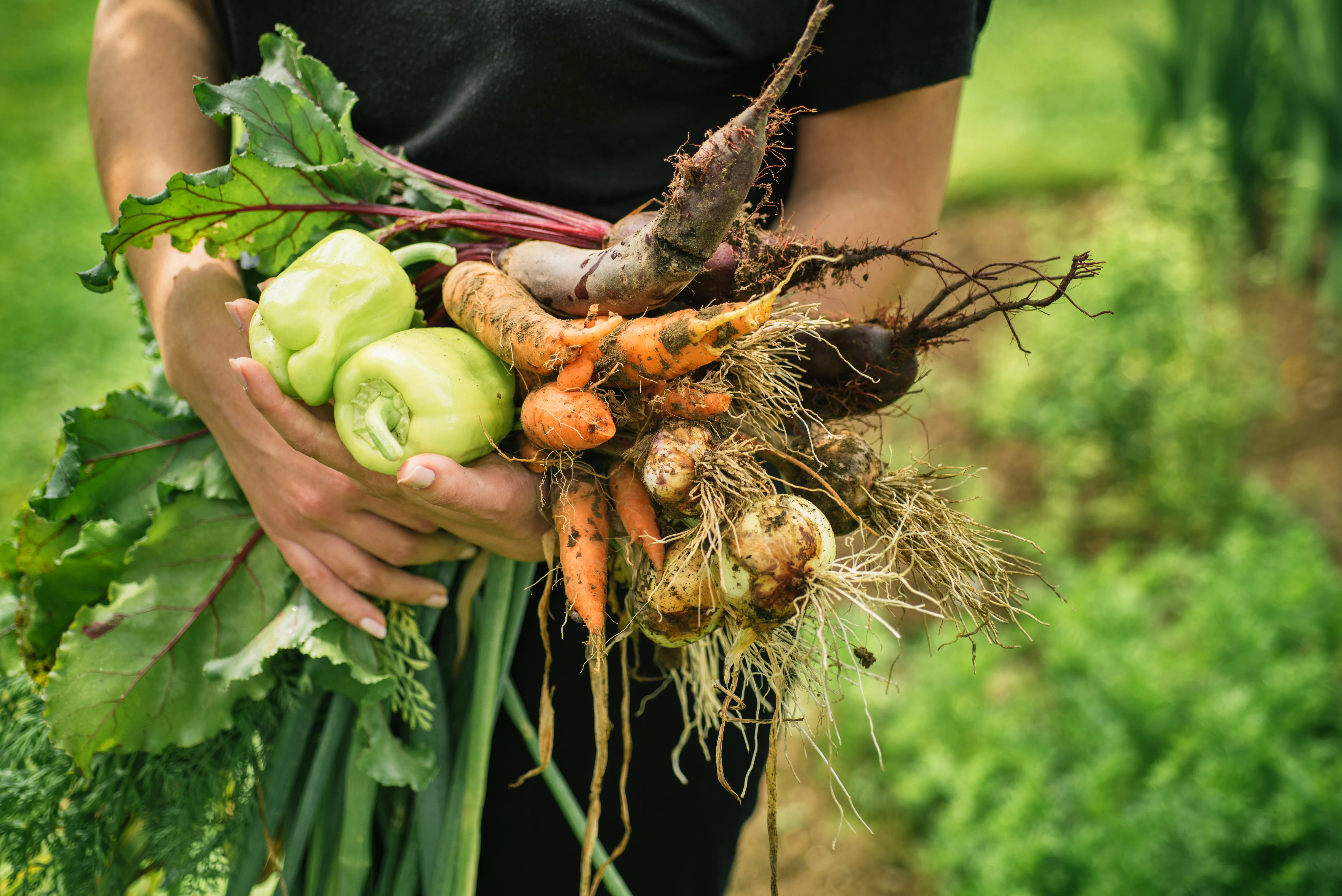
Summer is when all that hard work in the garden starts paying off. Your lettuce and kale are filling out, cucumber vines are spreading, and tomatoes and peppers are beginning to flower and produce fruit.
As your garden grows, so do its nutritional needs. But does that mean you should be adding fertilizer every week?
Not necessarily! Understanding what your plants need, when they need it, and how your soil supports their growth can help you keep your garden productive all season long.
Why Do Plants Need Nutrients?
Just like us, plants need nutrients to grow and function. While sunlight, water, and air provide much of what plants need, their roots also take up essential mineral nutrients from the soil.
Three primary nutrients you'll often see listed on fertilizer packaging are:
- Nitrogen (N): Supports leafy, green growth.
- Phosphorus (P): Plays an important role in root development, energy transfer, and reproduction.
- Potassium (K): Helps regulate water balance and supports overall plant function.
Plants also need secondary nutrients and micronutrients, including calcium, magnesium, iron, and others.
Different plants have different nutritional demands. Leafy vegetables such as lettuce and kale rely on nutrients to support leaf growth, while fruiting crops such as tomatoes, peppers, and cucumbers need balanced nutrition as they develop flowers and fruit.
The key is providing the right nutrients without overdoing it.
When Should You Fertilize Your Garden?
There's no universal fertilizing schedule that works for every garden.
The timing depends on what you're growing, the nutrients already available in your soil, and how your plants are developing.
At planting: Preparing your soil before planting helps establish a foundation for the growing season. Depending on your soil conditions, this may include incorporating compost or applying fertilizer based on soil test recommendations.
During active growth: Some vegetables benefit from additional nutrients as they grow. Heavy-feeding crops, including sweet corn and certain leafy vegetables, may require supplemental nitrogen during the season.
During flowering and fruiting: Fruiting crops need adequate nutrition, but adding more fertilizer isn't automatically beneficial. Too much nitrogen, for example, can encourage excessive leafy growth in tomatoes at the expense of fruit production.
Gardening tip: A soil test is one of the best ways to determine which nutrients your garden actually needs.
How Compost Supports Garden Soil
Fertilizer provides nutrients, but successful gardening involves more than feeding your plants.
Healthy soil helps support root development, moisture management, nutrient cycling, and beneficial microbial activity.
That's where compost comes in.
Adding quality compost to your garden can help:
- Increase soil organic matter
- Improve soil structure
- Support moisture retention
- Encourage beneficial soil biological activity
- Contribute nutrients as organic materials break down
Purple Cow Organics Activated Compost is a plant-based, OMRI Listed soil amendment designed to replenish existing soil and support soil biological activity.
Whether you're preparing a new garden bed or maintaining an established growing space, incorporating compost can be a valuable part of your soil management routine.
Keep in mind that compost isn't necessarily a complete replacement for fertilizer. Its nutrient contribution varies, and additional nutrients may still be needed depending on your soil and crops.
How to Recognize Possible Nutrient Problems
Your plants can sometimes give you clues that something isn't quite right.
Here are a few signs worth watching:
Yellowing leaves: May indicate a nutrient deficiency, including nitrogen, but can also result from overwatering, disease, or other growing conditions.
Slow or stunted growth: Could be related to limited nutrients, poor root development, temperature, or moisture stress.
Poor flowering or fruit development: May be influenced by nutrition, but sunlight, temperature, pollination, and water availability are also important.
Brown or damaged leaf edges: Sometimes associated with nutrient or salt imbalances, although drought and other environmental stresses can cause similar symptoms.
Before reaching for fertilizer, check your soil moisture, growing conditions, and overall plant health. When possible, use soil testing to help identify the underlying issue.
Adding fertilizer without understanding the problem can sometimes make things worse.
Common Summer Fertilizing Mistakes
A little extra attention goes a long way when maintaining a healthy summer garden.
1. Applying too much fertilizer
More nutrients don't always mean more growth. Excessive fertilization can damage plants, contribute to nutrient runoff, and create imbalances in the soil.
2. Following the same schedule for every plant
Your lettuce, tomatoes, and peppers don't necessarily need the same feeding routine. Consider each crop's growth stage and nutrient requirements.
3. Ignoring soil moisture
Plants need adequate moisture to take up dissolved nutrients. Dry or waterlogged soil can interfere with nutrient availability and healthy root function.
4. Treating compost and fertilizer as the same thing
Both can contribute to plant nutrition, but they serve different purposes. Compost is especially valuable for improving soil organic matter and soil conditions, while fertilizers are formulated to supply specific nutrients.
5. Forgetting about long-term soil health
Gardening isn't just about what your plants need today. Building healthy soil helps create a better growing environment for future seasons, too.
Keep Your Garden Growing Strong
A productive summer garden doesn't require constantly adding more fertilizer. It starts with understanding your plants, paying attention to your soil, and providing support when it's actually needed.
From preparing your beds in the spring to maintaining your plants through harvest, healthy soil plays an important role at every stage.
Looking to give your garden soil a little extra attention? Purple Cow Organics Activated Compost can help build organic matter and support the soil biology that contributes to healthy growing conditions.
Our products are available through independent garden centers. Visit our Where to Buy page to find a retailer near you.