Biology-driven solutions support natural plant defenses, improve soil health, and build crop resilience by restoring microbial balance and reducing reliance on chemical inputs.

Your soil is alive with a diverse population of bacteria and fungi. In soils that have historically received the ‘conventional’ agriculture treatment, these populations can struggle to survive and fall out of balance with their established ecosystem. Over time, this can result in yield reduction and increased presence of weeds and pathogens. Maintaining or re-establishing this biological balance can help crops thrive in their natural environments. Looking at the modes of biological action that act as protection for your plants, we see a myriad of benefits provided by encouraging those natural processes.
One organism creates an unwelcoming environment for another, effectively excluding the second organism from becoming established without directly killing it. Diverse microbes that form a beneficial relationship with your crop will overtake resource possession in your soil, denying pathogens the ability to become established. An example of this would be creating a film on a root surface to prevent pathogens from infecting the plant.
The secondary metabolites that contribute to plant health and nutrient density.
Some microbes (gram-positive bacteria) consume pathogens (like botrytis and anthracnose) as a food source as seen on leaf surfaces and orchard floors.
Stimulating plant response to disease pressure before actual diseases are detected. This results in strengthened plant defenses, helping prevent the onset of actual disease when it is imminent.
BIOACTIVE™ LiquiLife (formerly CX-1) are a proactive/protective approach to plant health, not curative. Timing and observational horticulture can help reduce the rates and frequency of fungicide applications; over time, in some cases, this process may allow the grower to get through the season without using biocides.
Without a good microbial habitat, you lose the soil particle aggregation microbes provide.
Diminished soil structure decreases soil respiration and oxygen availability for seeds and plants. This results in reduced seed/soil contact, seed hydration, and reduced germination rates in the spring.
Diminished aggregation reduces water infiltration and water holding capacity. This takes much of the resilience out of the farming system.
Over time, and without a good habitat for biology, the microbes you count on to mineralize, solubilize, fix, chelate, protect, and actively deliver macro and micronutrients to your crops no longer function well in your soil.
As this downward trend continues, farmers become more reliant on purchased fertilizers and the next more expensive generation of crop protection inputs.
Here are a few field observations of our customers utilizing BIOACTIVE™ and noticing improvements in crop resiliency.
Disease is a constant battle in greenhouses, where cultivating the perfect conditions for plants can also mean that pathogens are given the ideal home. While not a fungicide, BIOACTIVE™ LiquiLife has proven with many growers to be a key driver for crop resiliency. Relying on various modes of action supplied by diverse microbiology can improve your ability to combat and resist disease. A broad-spectrum biological will not cure your plants, but can lead to a more successful season of fighting off these common issues.
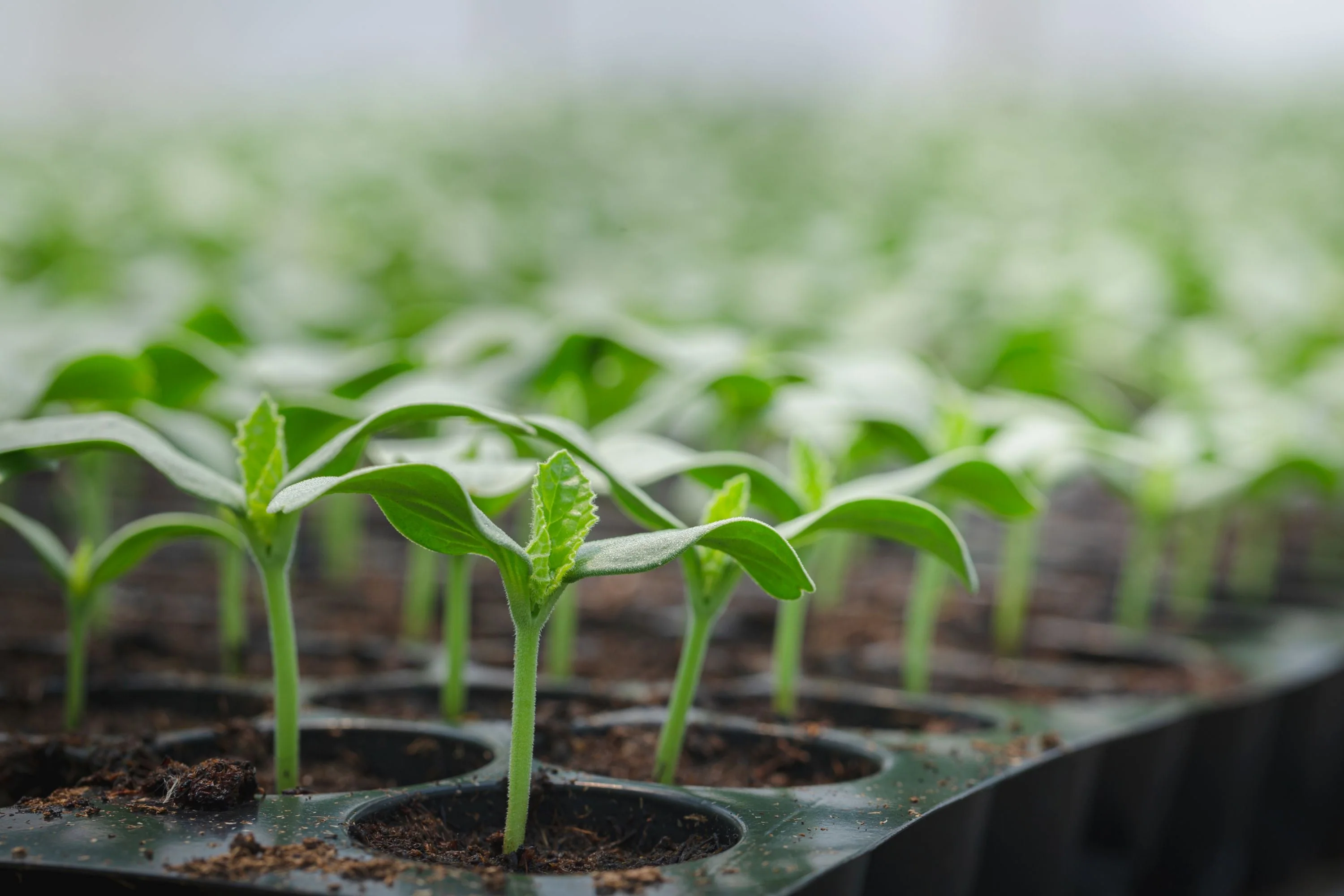
Living soil harnesses diverse microbial biology to improve nutrient efficiency, reduce input costs, and support stronger, more self-sustaining plant growth.
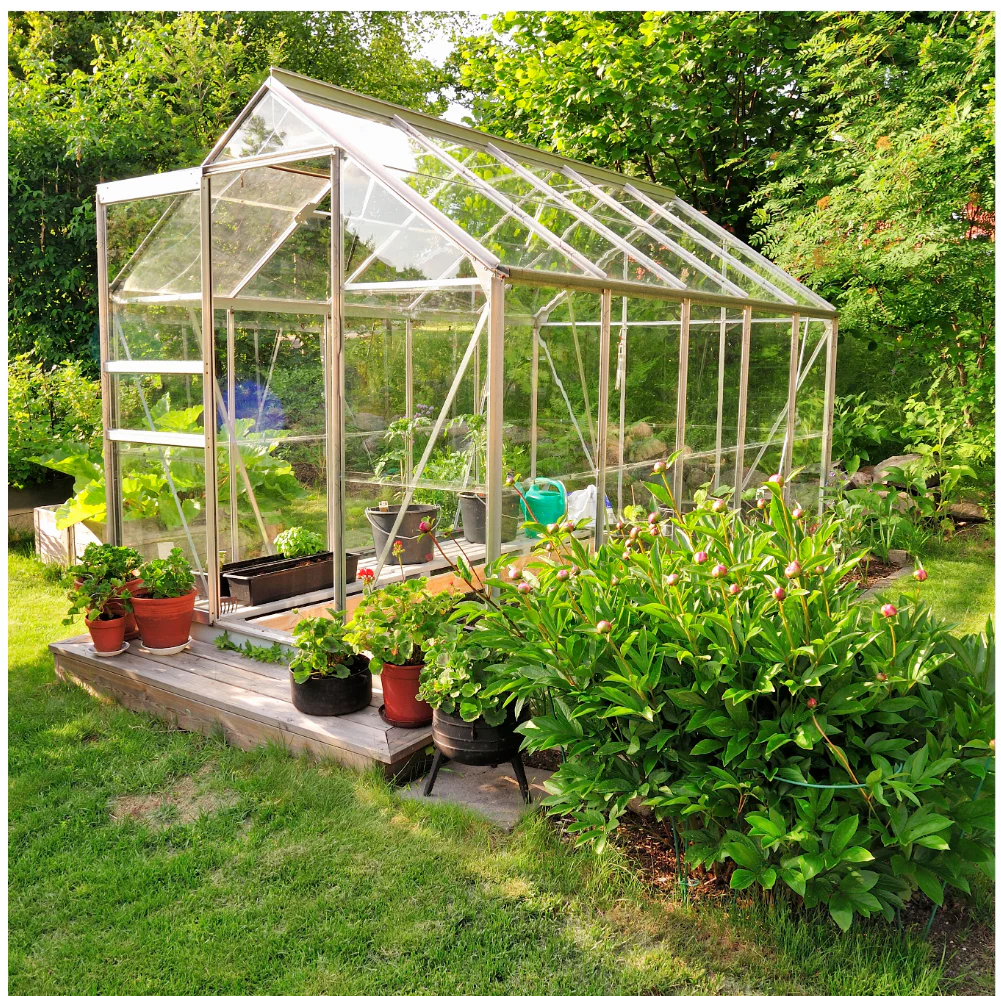
Biological growing media uses living microbes to improve nutrient uptake, strengthen roots, and deliver healthier, more resilient plants compared to sterile mixes.
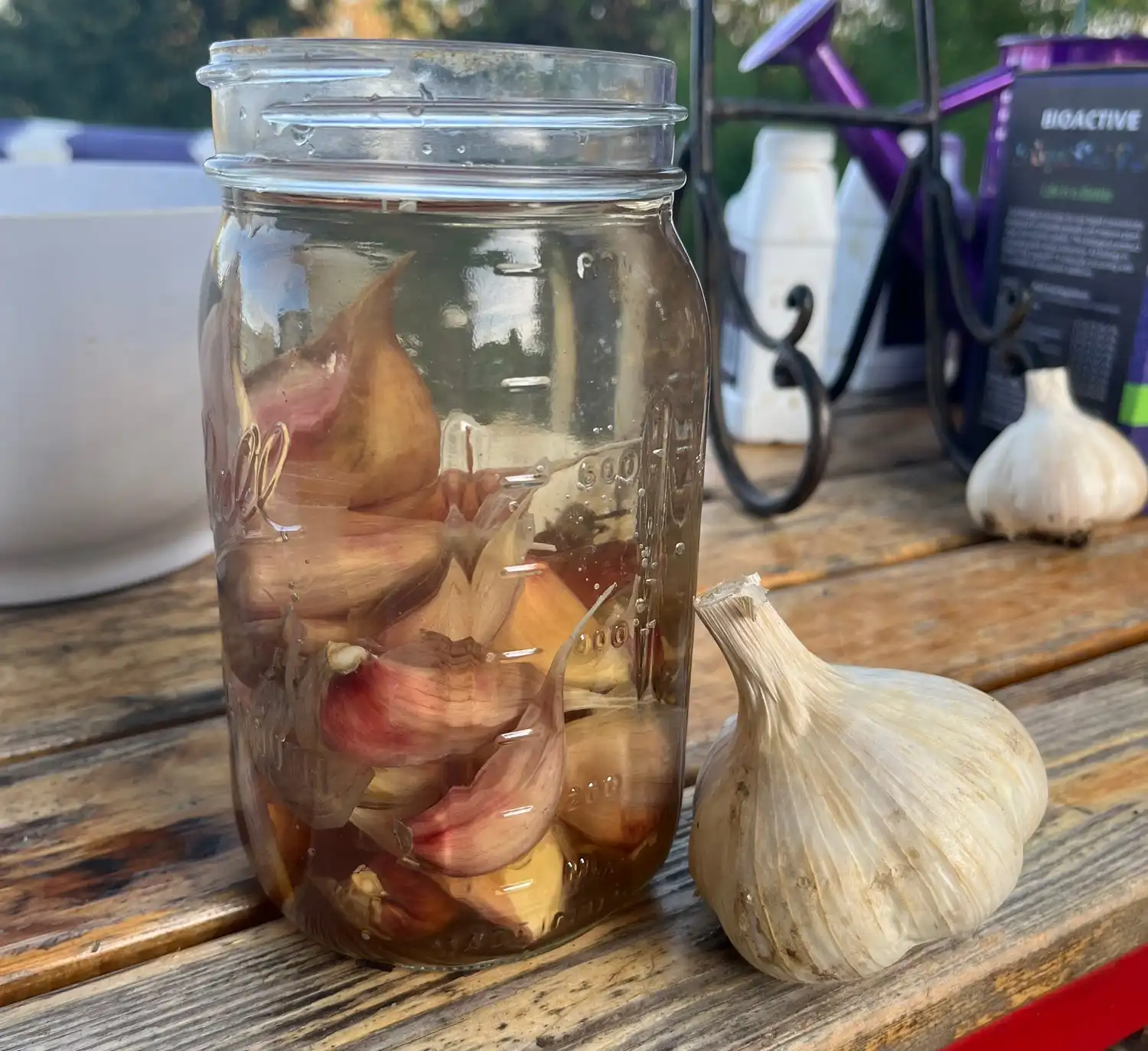
Learn how to grow bigger, healthier garlic by properly preparing your soil, soaking and planting cloves, and providing the right nutrients and care through spring.


Grow with Purple Cow Organics bringing life back to the soil, supporting the environment, and building healthier communities.




Diverting waste from landfills and returning it to the soil.
Or the weight of over 9000 cows!
Offsetting emissions equal to over 1000 cars each year.